There are two different systems for finding a wealth corner, and they do not agree with each other, which is the part almost nobody tells you. One locates it inside a room relative to the door. The other locates it on the building itself relative to true compass direction. Only the second one is something an outside source, including this site, can ever verify without seeing inside your home.
If you have looked into feng shui at all, you have probably heard the short version: place a jade plant in the corner and the money flows in. The real concept is more interesting, and more honest, than that.
The two schools, and why they disagree
The Black Hat or BTB approach locates the wealth area as the far corner from the entrance, on your left as you stand at the door looking in, for any room or the home overall. It does not use a compass at all. It is popular because it is simple: stand at a door, look left, that is the spot.
The compass school, sometimes called Bazhai or the traditional form, locates wealth by true compass direction rather than by where a door happens to be. In this system the southeast sector is generally associated with wealth and abundance, and that sector is fixed to compass bearing, not to where you enter a room.
These two methods can point at completely different corners of the same room, because one follows the door and the other follows magnetic direction. Most modern content picks one, usually the door-based version, and does not mention that the other exists or that they disagree. That is worth knowing before you rearrange anything.
Why this matters for what we can honestly tell you
The door-based version is a claim about the inside of a specific room, and nobody outside your home knows where your doors are relative to your furniture. Any article, including an earlier version of this one, that tells you to stand at your bedroom door and look left is asking you to do the finding yourself. It is not something a service working from your address alone could ever compute, and it should not pretend to.
The compass version is different. Once we know which direction your house faces, computed from the road it fronts, we know exactly which side of the building lies to the southeast. That is a real, address-derived fact. What we still do not know is which room sits on that side, since that is your floor plan and nobody outside your home has it.
So the honest position is this. We can tell you which side of your house is the southeast side. We cannot tell you that your kitchen is your wealth corner, because we have no idea if your kitchen is on that side or any side.
Find your southeast side
Your house's facing direction sets where every compass sector falls around the building, southeast included. A house facing 178 degrees and a house facing 110 degrees have their southeast side in a different physical spot on the lot, even if both are on the same street.
You can get your own house's facing direction, computed from the road it fronts, from our free reading. Once you have it, you know which side of your home to pay attention to. Whatever room happens to sit there, and only you know that, is the one worth the attention below.
What actually to put there, and what to skip
Whichever room turns out to sit on your southeast side, the same practical guidance applies regardless of which school you follow.
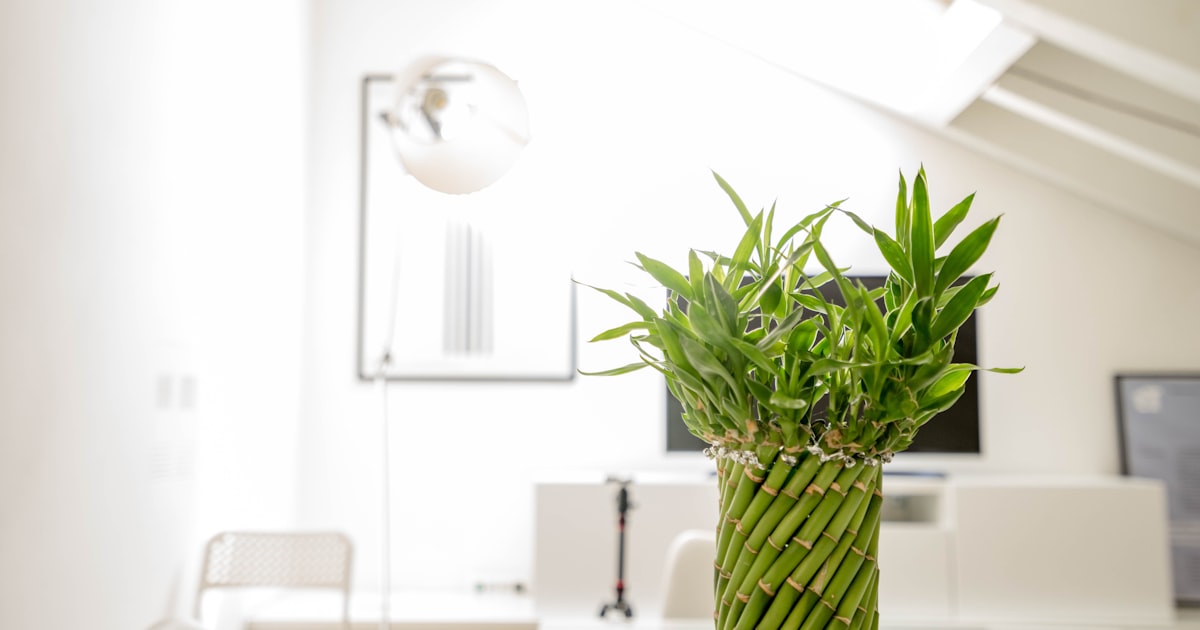
A healthy plant with broad leaves works, since a dead or struggling plant sends the opposite signal from the one you want. Good lighting matters, because a dark corner reads as a dead corner regardless of compass direction. Something that genuinely means something to you personally, a photo, a piece of art, a plant you actually enjoy, does more than a generic object bought because a website said so.
Skip anything you cannot explain your own reason for keeping. A coin, a fountain, or a cure purchased on impulse is clutter with an origin story. If it does not mean anything to you and you cannot say why it is there, it is not doing anything for you either.
The honest mechanism behind the concept
Putting a plant in a corner is not going to make you rich, and no serious version of this claims otherwise. What is true is that the condition of any part of your home reflects and reinforces how you relate to that part of your life. A neglected, cluttered corner signals stagnation. A maintained one signals attention and care.
The real mechanism is behavioral. Once you decide to maintain one part of your home intentionally, that habit tends to spread. You water the plant, then you dust around it, then you tidy the shelf next to it. People who start with one deliberately maintained spot in their home often extend that care outward without planning to. That momentum, not the object itself, is what the concept is actually doing.
The jade plant and money tree
These are the two most searched feng shui prosperity plants. The jade plant has round, coin-shaped leaves, which is where its association comes from. The money tree, or Pachira aquatica, has a braided trunk and broad leaves. Both are genuinely easy to keep alive, which matters more than the symbolism. A thriving, ordinary pothos in good light beats a dying jade plant every time, because a struggling plant undercuts the exact signal you are going for.
Pick a plant that suits the actual light in the spot, and one you will remember to water. That is the whole strategy.
Frequently asked questions
What is the feng shui wealth corner?
It depends which school you are using. The door-based approach locates it as the far corner from a room's entrance. The compass-based approach locates it by true direction, generally the southeast sector of a building. The two do not always agree, and most sources only mention one of them.
How do I find my wealth corner without a compass?
If you are using the door-based method, stand at the entrance to the room and look at the far corner, which only you can do since it depends on your own floor plan. If you want the compass-based version instead, you need your home's true facing direction, which a facing finder tool can compute from your address without needing to see inside.
Can a website tell me where my wealth corner is from my address alone?
Only the compass-based version, and only down to which side of your building it falls on. No outside source can know which specific room of your house sits on that side, since that requires your floor plan, and nobody outside your home has it.
Does putting a plant in the wealth corner actually work?
Not in the literal sense of attracting money through the plant itself. What does seem to work is the behavior it encourages: deliberately maintaining one part of your home tends to extend into maintaining more of it, and that broader habit is the real value.
What should I avoid putting in a wealth corner?
Anything you bought on impulse because a website said to, anything broken or dying, and any object you cannot explain your own reason for keeping. A dead plant there is worse than an empty corner, since it signals the opposite of what you are going for.
Is the jade plant or the money tree better?
Whichever one you will actually keep alive matters more than the choice between them. Both are genuinely easy care plants. Pick based on the light available in the spot and your own habits, not the symbolism.